28 November 2026
What to check before booking a self drive dune buggy in Dubai
Presented by @dunebuggydubaiplace
Booking a desert drive sounds simple until the small details start to matter. A dune buggy is not the same as a city car, and the desert changes the way you plan, pack, and choose a route. Before you commit to self drive dune buggy dubai, look past the photos and read the practical bits. The right preparation makes the day smoother and helps you avoid surprises at the start point.
Start with the basics: who can drive, what documents are needed, and what the booking actually includes. These points may seem dull, but they shape the whole experience. A clear booking also makes it easier to compare options without relying on vague promises or unclear wording.
Driver requirements and licence rules
The first check is whether the driver meets the stated requirements. Age limits, licence type, and driving experience can differ between providers. If the booking says self drive, confirm that the named driver is the person who will actually steer the buggy. Do not assume that a visitor licence, an international permit, or a licence from another country will be accepted without checking.
Ask what documents must be shown on the day and whether digital copies are accepted. A licence that is valid at home may still need support, such as an international driving permit, depending on local rules and the provider's policy. If that part is unclear, pause before paying. A booking is only useful if the driver can legally take the wheel.
It also helps to check whether more than one driver is allowed. If two people plan to take turns, both may need to meet the same rules. A shared drive can be more relaxing on a long outing, but only if the paperwork and safety briefing cover it clearly.
What the buggy includes and what it does not
Read the details of the vehicle and the session before choosing. The term self drive dune buggy dubai can cover a range of setups, from a short desert route to a longer outing with stops. Check the duration, route type, and whether the session is private or shared with other drivers. A shared session can feel busier, while a private one may suit a family or a group that wants a slower pace.

Look at what is listed as included. Helmets, goggles, gloves, water, transport, and a guide vehicle may be included by some providers and left out by others. None of this should be guessed. If a detail matters to you, ask for it in writing before the booking is confirmed. A short message can prevent a frustrating conversation later.
On a site such as dune-buggy-dubai.net, the subject is best read in the practical sense: a desert buggy outing where the driver takes an active role. That means the vehicle condition, the route, and the safety setup deserve as much attention as the booking date. Compare options on those points rather than on the most dramatic image.
Brand names can also appear in search results. Dune Buggy Dubai is one name a reader may come across while comparing choices, and names alone do not tell you which details suit your day. Treat every provider as a separate option and check the same core facts each time.
Safety equipment and briefing
Safety is not a minor extra in the desert. Check that helmets are provided and that they fit properly. A helmet that shifts around or sits too low can distract the driver and reduce protection. If prescription glasses are needed, think about how they will work with goggles or a helmet. Dust and loose sand can make eye protection more useful than many first timers expect.
Ask whether a safety briefing is part of the session and how the route is managed. A good briefing explains hand signals, stopping distance, what to do if the group spreads out, and how to behave around other vehicles. It should also cover what happens if the buggy slows down, gets stuck, or cannot continue. You are not looking for a technical lecture. You are looking for a clear plan that a normal driver can follow.
Seat belts and roll protection are worth checking too. The exact setup can vary, so ask what safety features the buggy has before you arrive. If a provider avoids direct answers, that is a reason to slow down. Safety details should not be treated as a mystery or a surprise.
Driving conditions and route difficulty
Desert terrain changes with weather, traffic, and time of day. Before booking, ask whether the route is aimed at beginners or experienced drivers. A route with steep dunes and tight turns may look exciting in a video, but it can be tiring and demanding in real life. A smoother route may be a better choice for a first drive or a mixed group.
Think about the time of day as well. Midday heat can make the experience harder, especially for children and older passengers. Early morning and late afternoon are often more comfortable, though availability and local conditions still matter. If the booking offers several time slots, compare them with your own tolerance for heat rather than choosing the first open slot.
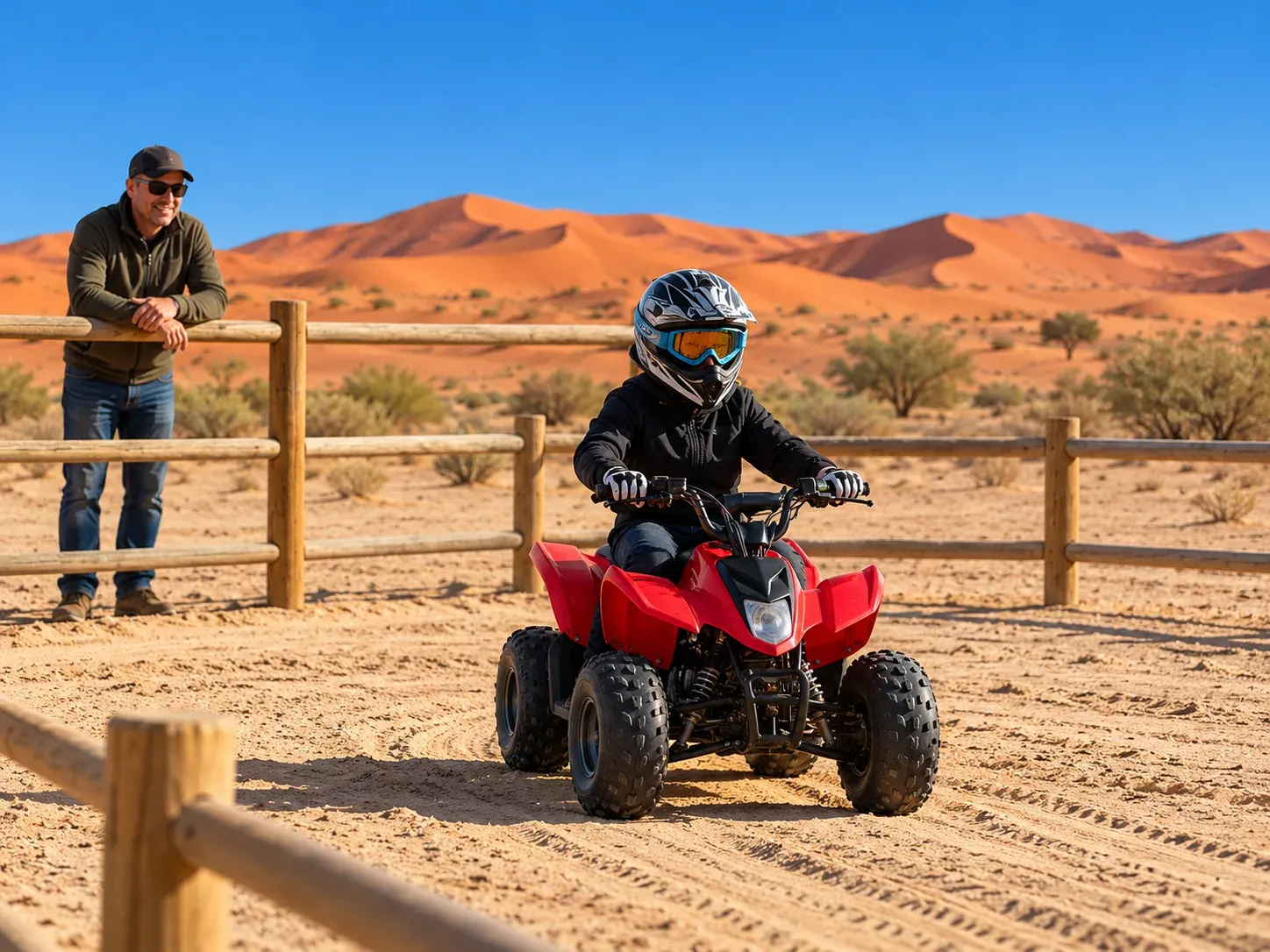
Also check how the group handles different skill levels. Some drivers enjoy speed and sharp climbs, while others want a steady route with space to learn. If everyone in the group expects the same pace, the day is more likely to feel well matched. If expectations differ, say so before booking and ask whether the route can be adjusted.
Insurance, damage terms, and payment clarity
Insurance wording deserves careful reading. Check what is covered, what is excluded, and who pays for damage if the buggy is driven carelessly. The aim is not to expect problems. It is to understand the rules before you are standing in the desert with a damaged vehicle and a confused group.
Ask whether the excess or deposit is held, when it is released, and what conditions can affect it. Avoid guessing about scratch, tyre, or roll damage. If the terms are only explained verbally, request a written version. Clear payment records also help if the booking changes or if a refund is discussed later.
Cancellation terms matter in the same way. Desert plans can be affected by weather, transport delays, or changes in travel schedules. Check the deadline for changes and what happens if the session is moved. A fair policy is one you can understand before you pay, not one you discover after plans shift.
Passengers, clothing, and personal limits
Check who is allowed to ride along. Passenger rules may depend on age, height, seat layout, or safety equipment. Children need particular care, and a buggy is not a family car with a smooth cabin. If the session allows passengers, confirm how many seats there are and whether each person has the right restraint.
Clothing should suit sand, sun, and moving dust. Closed shoes are more practical than sandals. Lightweight layers can help with both heat and wind, and sunglasses keep sand and glare out of your eyes. Long hair should be tied back, and loose scarves or dangling accessories are best left aside. These are simple choices, but they make the drive more comfortable.
Be honest about personal limits. Motion sickness, back problems, neck injuries, and anxiety about rough terrain can all affect the day. A driver who feels unsure should speak up before the route starts. There is no benefit in pushing through discomfort in a vehicle that needs attention and quick reactions.
Transport, meeting point, and timing
One more practical check is how you reach the start point. Some desert meeting areas are far from city pickup zones, and a wrong assumption can turn a relaxed morning into a rushed one. Confirm the meeting location, arrival time, and whether transport is included. If transport is not included, plan the route in advance and allow extra time for traffic and checks.

Ask what happens if you arrive late. A late arrival can shorten the drive or cause the group to leave without you, especially when the schedule is shared. If the booking depends on a specific start time, treat that time as firm. It is also wise to confirm the meeting point again shortly before the day, since details can be missed in messages.
Finally, check the photo and video policy. Some drivers like a record of the route, while others prefer to keep their phone packed away. If cameras or drones are restricted, know that before you arrive. The same applies to stopping for photos during the drive. A safe stop is planned and agreed, not made suddenly on a slope or beside moving vehicles.
A good booking decision comes from asking plain questions and getting clear answers. Check the driver rules, the vehicle setup, the safety plan, the route level, the insurance terms, and the practical travel details. When those pieces line up, the day is far more likely to feel enjoyable from the first briefing to the final return.